Is Anxiety The Same As An Anxiety Disorder?

I hear it all too often, youth saying they have anxiety when what they really mean is that they are feeling anxious. If you listen to the news you would believe that our youth are in crisis . The data would suggest otherwise 1 in 5 Canadians will experience a mental health disorder in their lifetime . It’s true and needs to be addressed and has been for the past 20 or so years. The stats have not changed. What’s also true is that 4 out of every 5 Canadians don’t have a mental health disorder and it’s up to us to teach the difference between a disorder and everyday feelings that we all have. Some may need the assistance of a professional to understand the difference. Your School Counsellor is a good place to start. They are trained professionals who understand the difference and can assist in finding supports.

For the 1 in 5 youth that will experience a mental health disorder in their lifetime we need to assist them in getting all the supports necessary. For the youth that are experiencing distress over a multitude of concerns we must also listen and support them , teaching them how to cope with life’s challenges and concerns. Supporting youth with their feelings helps us understand what steps to take next. Their feelings are important , so we must not dismiss them.

Words do matter and helping our youth become literate when it comes to mental health can have a positive impact. If you need resources and ideas on how to make that happen check out teenmentalhealth.org. You can also find more information on anxiety here and here.

If you are wondering whether a youth truly has an anxiety disorder, some waitful watching may be in order. Don’t be quick to jump to a diagnosis ( and a reminder that you must be qualified to do so ) even then waitful watching is a good idea.

Some questions to reflect on :

Frequency : How frequent are the anxious feelings? Once or more a day , once a week , once a year?

Duration: How long do the feelings last? A few minutes, hours , weeks , months?

Intensity: Does the youth avoid situations because they are too anxious to cope? Is the anxiety taking control of them instead of them controlling it? Are they having trouble coping with everyday life because of their anxiety?

Have they seen a medical doctor to rule out any other medical concerns?

Has the anxiety come up for no apparent reason?

What triggers if any have led to the anxiety?

Is the youth experiencing stress or anxiety ? What’s the difference?

If you are a School Counsellor you most likely will informally assess and refer for an actual assessment if anxiety is of major concern.

When in any doubt consult. consult, consult!

Let’s work together to help our youth become more literate and support them navigating life. For a great read I would recommend Saving Normal: An Insider’s Revolt against Out-of-Control Psychiatric Diagnosis, DSM-5, Big Pharma, and the Medicalization of Ordinary Life  by Psychiatrist Allen Francis.

Keeping Our Students Safe

As School Counsellors and educators one of the biggest responsibilities we have is to keep our students safe .

How do we do that? Very carefully and with much thought and effort as well as an understanding of the research around what works best. Bruce Perry founder of child trauma academy states that active shooter training is not always done properly , the training that occurs in schools should focus on adults. He says, “if the educators and people who are responsible for children remain calm then the students will reflect that emotional state”. Read more about what he says here.

What can be done? The answers are complex and require teams of people to assist. That is where a Comprehensive School Counselling Plan comes in. School Counsellors are always looking at ways to make school better for students, putting the psychological health and safety of students as a priority. We need to get students the help they need long before a serious threat occurs. The answers are not easy , but those who have learned before us can teach us some things we may need to know. Take a look at these recommendations from the Sandy Hook advisory committee.

As stated in that report , “There is at least one place, other than a home, in which every person, whether a child or adult, should feel absolutely safe and secure from the threat
of physical harm: school. ” I could not agree more. School Counsellors can take the lead along with staffs to make schools a safe place to be. Mental health literacy is essential for all students and staff members. Building relationships is one small step towards creating a community that focuses on what is important.

Working to ensure that we have a safe and caring school community is always on the mind of a professional school counsellor. Best practices should be reviewed and reflected upon each year based on individual school needs. School Counsellors are in a unique position to assist in preventative measures helping students to deal with stressors and social isolation. We also know it takes a team and we don’t have all the answers, but there are many things we can do and are doing already. We are but one of a community of people that make a difference. We as School Counsellors can help make our schools a safe place to be.

The World Would Be A Different Place Without YOU In It


IMG_2955

“You are not here to fill space or be a background character to someone else’s movie. Consider this: nothing would be the same if you did not exist. Every place you have ever been and everyone you have ever spoken to would be different without you. We are all connected, and we are all affected by the decisions and even the existence of those around us. ” David Niven

I believe we all have a purpose in life. Each child that comes our way is precious and we were brought to them to make a difference. It is up to us to leave them feeling or thinking or doing something differently than when they walk into our office. It is up to us to help . That is the reason we do what we do. So keep doing it! The world would be a different place without YOU in it!


The Effect You Have As A School Counsellor Is Not Always Measurable

Cq4QzbFUkAEiZCS.jpg-largeYou have them , I have had them. You know that student that you had no idea you had such an impact on, but they let you know years later. Sometimes 36 years later as I did two years ago. A young man came into the office at the High School I was working in at the time. He wanted to see me to tell me how I had influenced his life. He had googled me and tracked me down because he wanted to tell me his story . I am grateful he did as I would have never known that I had affected his life in the way he let me know I had.

I have been blessed with letters and notes from students who have told me they believed I had saved their life. It is an honour and privilege that they believe something I said or did had impacted them in such a positive way. More often than not we don’t get these notes, calls or letters and we may not know the impact we have had on students. Not because we did not , but because the person may not have put their thoughts to words for whatever reason.

A couple of days ago one of my best friends who is also a retired School Counsellor , got one of those notes from a student whom she had known 18 years ago. The note was from a young woman reporting she was now happily married with two children , She told my friend that she was the reason she was alive, happy and successful today. She let her know it was World Suicide Prevention Day and that maybe my friend would like to know the impact she had on her life when she was in High School.

The woman had tracked my friend down on Facebook and felt compelled to write her the beautiful moving, heartfelt note (I’m purposefully leaving out the details, but trust me we both cried a lot reading it) . Of course she had no idea that particular student felt that way. So what a gift it was to receive a note like this. It is truly why we do what we do choosing to be in education.

If one young person is impacted in this way by what we have said or done, then our years of dedication to a career we have loved is all worth while. We both agreed that we were so fortunate to work in schools with amazing young people and feel truly blessed to have had a career we both were passionate about.

So many still do not fully understand what a School Counsellor does behind closed doors, but know and trust that you need to keep doing what you are doing as a School Counselor wherever you are in the world. You can never know the impact you can have. Small gestures and words can matter.

The effect you have as a School Counsellor is not always measurable , but that does not matter. What you say and do everyday does.

Perseverance

This slideshow requires JavaScript.

Who hasn’t felt like giving up at one point or another?  I know I have . It isn’t easy sometimes to do the things you want to do, but don’t feel completely ready. It isn’t easy to view failure as an opportunity . To push forward and never give up despite the odds sounds easier than it is. It isn’t easy to embrace the struggle, recognizing that no matter how long it takes you will still strive to move forward.

I love these pics taken today by the University of Regina President @ vianne_timmons .  They tell a real story that needs no words. Perseverance … it makes me never want to give up !

You can check out my haiku deck to see the pics more clearly … just click on the link in my tweet.


Instilling an Insatiable Desire to Learn : How Do We Help Students Self- Regulate When It Comes To Their Cell Phone Use?


pexels-photo-994870.jpegHow do we instill an insatiable desire to learn and live life to the fullest while teaching students to self regulate when it comes to cell phone use?
Self – regulation is the process that the brain goes through that gives us the ability to control our behaviors and emotions in response to a particular situation. It’s having the skill to calm ourselves down when upset or in distress.

In this day and age all of us need to monitor how and why we use our cell phones. According to Dr. Stuart Shanker self -regulation is as much about regulating positive emotions as it is about down regulating negative emotions . Only when we are regulated can we self – regulate.

As adults we need to model self – regulation. There are several ways we attempt to soothe ourselves. some good , some not so good. The coping skills we use can help us or hurt us. If we want to help others then we need to model positive cell phone use and be able to share with others what we do and how we do it.

Self–evaluation is pivotal.  Evaluate your thoughts , feelings and actions when it comes to your cell phone use

• Be open … ask yourself is my cell phone use helping or hurting me or others?

Ask yourself …

  • Does my cell phone use lift me up or tear me down?
  • Is there ways to change my use of my cell phone so that I can feel better about myself?
  • Am I on my phone too much ? Do others notice and think I should change?
  •  Is using my cell phone too much stressing me out? If so how can I restore my energy? What do I need to do differently?
  • Am I getting enough sleep , exercise , and nutrition ? Acknowledge what you need to do to change.
  • Do I have a positive self –esteem? Am I using my phone because I know it will help me or hurt me?
  • Are my relationships in tact? Do I find many opportunities to connect F2F?
  • Am I more anxious , happy or sad because of my cell phone use?
  • Do I really need to use your phone right now or can it wait till later?
  • Am I on track with what I need to do or is my cell phone just a distraction for me right now?
  • Am I being mindful of what I really need to do ? Am I prioritizing what is truly important in my life or am I using my cell phone as an escape?

How to self – regulate when it comes to phone use:
• Try asking your friends and family for tips. What works for them?

pexels-photo-89955.jpeg

Try some of these tips.
• Keep phone on vibrate instead of listening to the constant ping of the phone. I have my phone on vibrate 99% of the time.
• Turn phone face down when not using it so you don’t look at it all the time.
• Put your phone somewhere not easily available when eating meals or at times that you know you need a break.
• Set times that you will use your phone and times you won’t ( I make it my rule that I never take my phone out while eating a meal or talking with someone) .
• Get involved … have a number of interests. It’s hard to use your cell phone while playing hockey or dancing or singing or a zillion of the other great things you can get involved in.
• Put your phone away at night and use an alarm clock instead so you can get a good nights sleep away from your phone.

Use Self- talk
• I do not need to be on my cell phone right now, it is not helpful.
• I can wait till later to use my cell phone because I need to be present to what is happening right now in this moment.
• I am proud of myself and the positive ways I use my cell phone

Journalling

pexels-photo-955452.jpeg • If cell phone use has become a concern  … journal what is happening for you.
• Journal all the positive ways you use your cell phone.

Meta moment
• Do you pause between being triggered and responding by being on your phone? Ask yourself is connecting leading to you feeling happy, sad, validated or invalidated, included or excluded?
• Ask yourself : How can I feel connected and close to others ? Is online the best way to do this at this time?

Positive Coping Strategies
• Make a list of yours and share it with your family and friends.

Stages of Change
• Ask yourself and be honest What stage of change am I in ? Ask yourself what is holding me back or moving me forward when it comes to my cell phone use ?
• Ask yourself … do I need help to get to where I want to go? If so your School Counsellor, Psychologist or a therapist can help you.

Reach Out
• To friends, teachers, your family, a School Counsellor . We all need a little support in order to self – regulate when it comes to our cell phone use. It is a strength to ask for help.

Maybe you need a little digital detox . It is more than ok to take a break from your phone. You decide what works best for you now that you have taken an honest look at yourself.

woman-happiness-sunrise-silhouette-40192.jpegOnce you have learned ways to help yourself , you maybe able to assist others with their technology use as well. Recognize that you are not perfect and will need to self evaluate often … I know I do.

So grow, learn and live the best possible life you can recognizing that technology has the power to help you or hurt you. What you do is up to you. I love my phone and I’m sure you do too. So let’s see if we can self-regulate to make ourselves and the world a better place. Maybe someday we’ll meet face to face and talk about how we did.


10 Tips for Reducing Anxiety

Copy of 10 Tips for reducing anxiety by Susan Spellman Cann

Anxiety is a topic we all want our students to have ideas and resources for.  I made an infographic for you to use and if you click on the link 10 Tips for reducing anxiety by Susan Spellman Cann . You  can open it and download for your use.

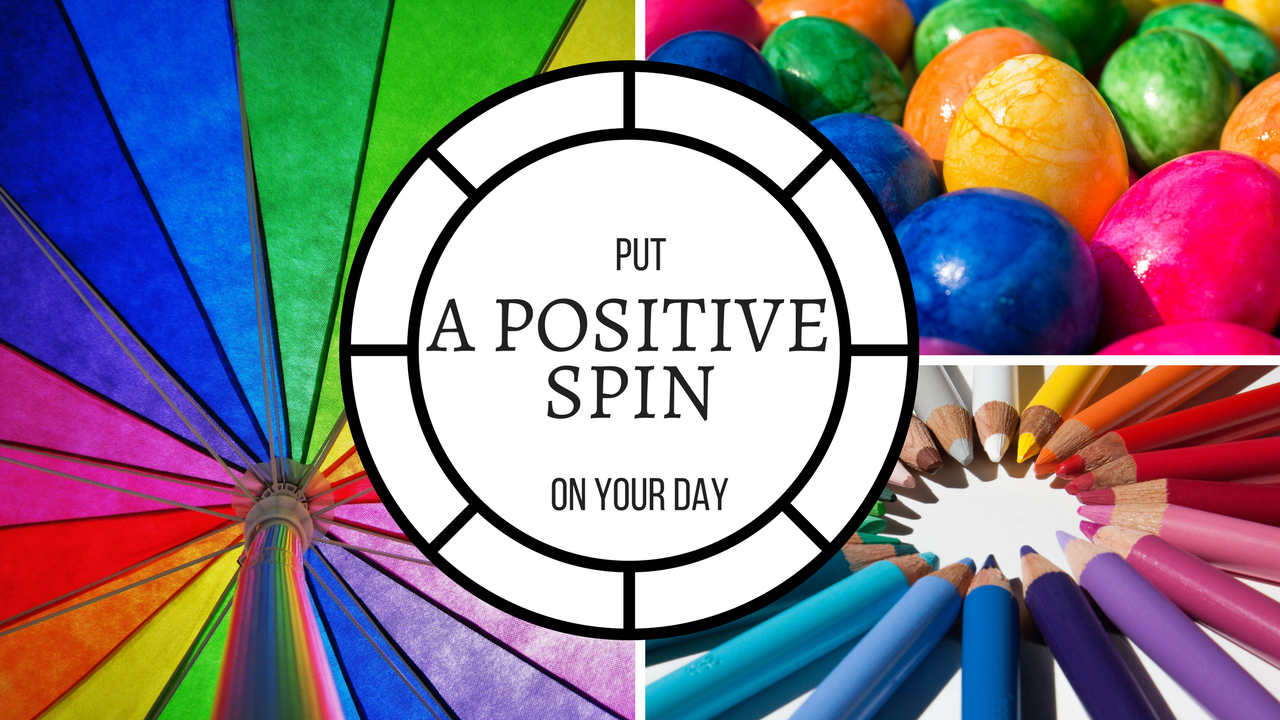
Put A Positive Spin On Your Day

Just in case you want an easier download for the link Put A Positive Spin On Your Day Click here.

Have any infographics or tips related to School Counselling please share!

Using Art to Heal


Life is a process of healing and I love to create more than ever before.  Using art with students is a wonderful way to connect with them and let them express themselves. We often use art as a way to talk and share. They inspire me and I have found another way to help them. I am not an art therapist , but that does not mean I or you cannot use art in your counselling sessions to help students. Referring students as always when needed to a certified Art Therapist is ethical.

Here are some ideas to get you to start on your own creative journey. Let go of the fear and create art anyway. You may become a better teacher or counsellor.  I know I have. A new chapter … a new journey. An ever ending journey of learning for me and I hope for you.

Focusing On What I Can Do … Instead Of What I Can’t

IMG_4237.PNG

This is my first blog post in a long time, I had eye surgery ( crosslinking  plus limited PRK I have keratoconus ) on November 23rd and I realized I have been focussing way too much on what I can’t do instead of what I can. So as 2018 begins, I am going to focus on what I can do instead of what I can’t!

I can ask for help when I need it ( this is so hard for a helper especially for me who is used to helping others).

I can learn to use the accessibility keys on my computer and phone.

I can write more , paint more, sing more dance more , be more ...

I can exercise more, eat healthier more, do more …

I can live more and spend more time focussing on what I can do!!!!!!!!

I can be kinder , more loving , more helpful!

I can elicit the help of others to do more of what I want to do and can do.

I need to stop that voice in my head that says I can’t drive ( for now) , I can’t see as well as I would like ( for now) , I can’t …  I can’t …

Oh yes I can, I just need to figure out how and do it. Just like how I figured out how to fix my computer at school and at home with bigger fonts. At work I asked for help, at home I googled how for my Mac system and did it! I asked for a bigger screen at work and can now easily use the scroll to increase font size to see my email. I am using the accessibility keys on my phone and computer to help me do lots of things. I can and do access online support through a keratoconus Facebook group. I am very grateful . This group and my friends and family have helped me a tremendous amount in my recovery process.

This is the first time in my life that I have lost my independence , but with help and support I can and will do lots of things … sometimes I just have to ask (even when it isn’t easy to do).

There are so many things I can do if I stay focussed on the I can! I can choose healthier options psychologically and physically. Not only can I … I will!

Anxiety: Plugged In Or Out? How Can We Help Mitigate The Effects Of Social Media On Our Kids?

Created with Wordswag

IMG_7122

guest post by: S. Helen MacKinnon

The impact that social media has on kids is undeniable. A recent article in the New York Times highlights some of the more concerning issues.

I don’t think we need  much convincing that social media has had an impact on all our lives and it is not going away anytime soon. I am a neophyte when it comes to social media, but in my work with children and their families over the past 30 years has allowed me a first hand insight into the world of children and their families.

What can we do as parents, counsellors and educators to mitigate the impact that social media is having on our young people? As in any situation where we are trying to teach children, we ourselves need to be the role model. We need to examine the message we send our kids when we are engaged in use of our own devices. What parameters do we have for ourselves when it comes to use of devices?  Do we actually have discussions with our kids about amount of usage, times and places that are no go zones for adults and kids? Do we understand the  safety issues and if not do we educate ourselves about these issues and discuss them with our children?  Yes, with any privilege comes responsibility, both for us as the adult and for our children whom we must guide to be ethical digital citizens. Don’t let their media skills fool you! Although they appear to be very savvy in the area of technology, they do not have the life experience or a fully developed brain that allows them to project the outcome of what they may see as just having a little fun or wanting to fit in.