As I age I don’t enjoy life any less, but I am ever reminded to seize the moments as life is short. Yes, we all know that, but do we really do it. I consciously attempt to seize as many moments as possible. It’s so easy to let the moments slip by, so I often get up early to enjoy the sunrise, just sitting and enjoying the moments.
I almost always start my day off by going for a walk even before I eat. Sometimes I don’t feel like it , but I always feel better afterwards.
I love spending time with friends like my dear friend Helen where we have these , “Stop Right Here” moments, Moments we love to just turn around in our car to catch a moment we might not have otherwise or to take in the beauty that we take for granted. We spend a day stopping wherever we want discovering new adventures or places we have never seen before.
Speaking of friends, what about those girlfriend weekends where you celebrate your friendships. There can never be enough of those.
Or the special let’s just sit around the table forever and laugh and reminisce or talk about what is important in each other’s lives. I love those moments and memories.
So just for today , be intentional about seizing your moments wherever and however you can.
In our journey through life, the words we tell ourselves can be incredibly powerful. Positive affirmations can transform our mindset, boost our confidence, and inspire us to take on new challenges. Sunflowers help to brighten our days, so here are a bit of both. Empowering affirmations to remind you of your inner strength and sunflowers to lift your spirits.
I Am Courageous
Embrace your bravery. Courage is not the absence of fear but the triumph over it. Every step you take forward, even when scared, is a testament to your courage.Some people need courage to face another day. Some need it daily to deal with life and others need a dose of courage now and then. May courage find you as much and as often as you need it.
I Am Confident
Believe in your abilities. Confidence comes from recognizing your worth and trusting in your skills. Know that you are capable of achieving great things no matter your circumstances or age.
I Am Enough
You are complete just as you are. Never let anyone make you feel otherwise. You have everything within you to succeed and be happy or to just be content with who you are and what you have in life.
I Can
These two simple words can be incredibly powerful. Whenever you doubt yourself, remember that you have the strength and capability to overcome any obstacle.It may be super challenging, but connect with others who can lift you up.
Let these affirmations be a daily reminder of the thoughts that you have the capacity to reframe at any moment in time. Repeat these affirmations to yourself every day, and watch how they transform your mindset and life. For more inspiration join counsellortalk on Facebook.
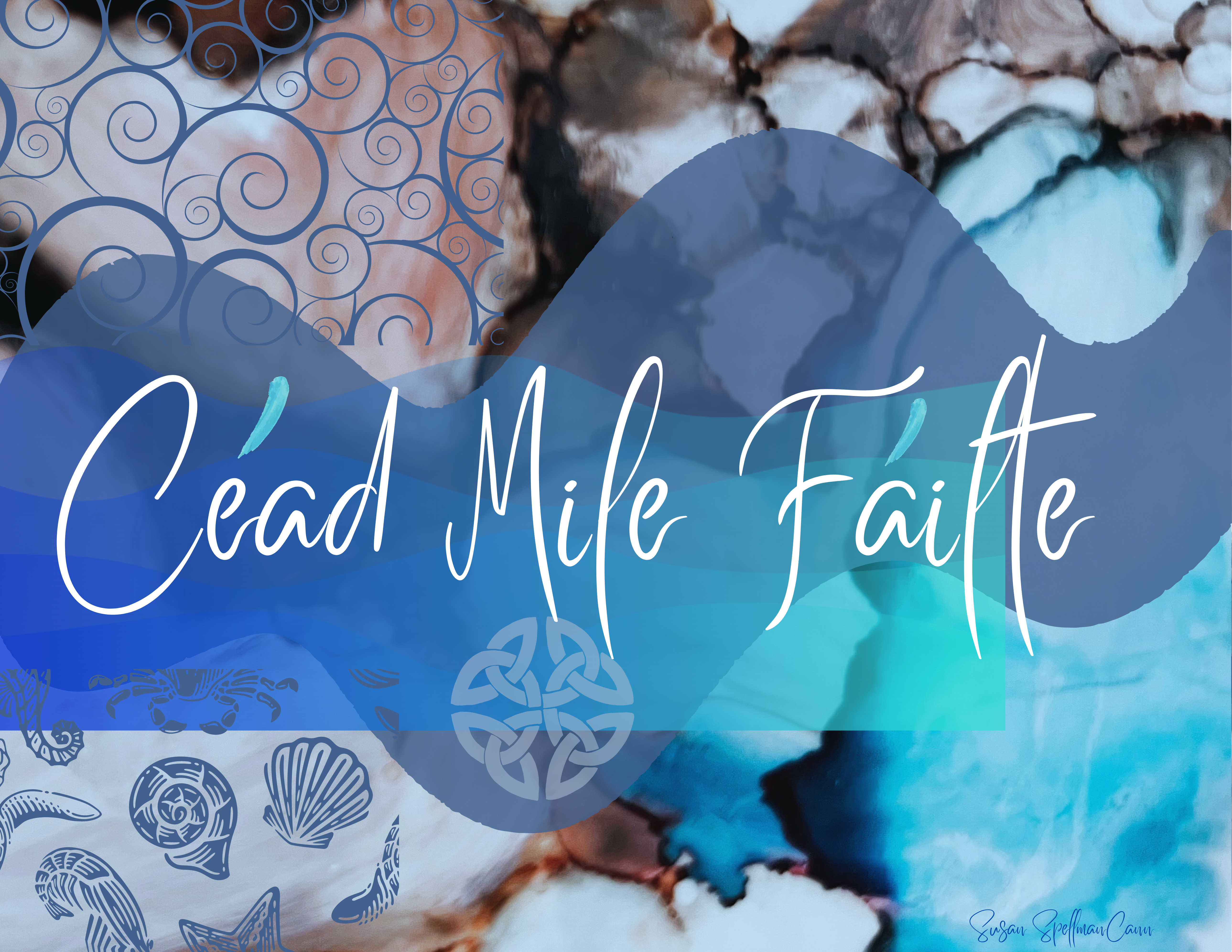
“Cead Mile Failte” – a phrase that translates to “A Hundred Thousand Welcomes” in Irish. This ancient greeting encapsulates the warmth and hospitality that you will find in Cape Breton where I spend my summers and is a fitting introduction to the profound power of words.
Words Have Power
Words are more than mere combinations of letters; they hold meaning, emotion, and influence. Words have the capacity to inspire, heal, and transform.
Use Yours Wisely
Given their power, it is crucial to wield words with care and intention.as they have a lasting impact. Strive to use your words to build bridges, foster understanding, and spread positivity. Make people in your presence feel welcome.
By incorporating the spirit of “Cead Mile Failte” into your daily interactions and recognizing the profound capability of your words you can make life a little better for everyone with each word you choose.
As I celebrate my 66 years on this planet , I will continue to choose my words carefully knowing that life is always changing and that words truly matter.
The words I want to express to you today are thank you and know that I am so grateful that you read my blog . You matter in this world and I appreciate you for letting me be a little part of yours.
May each of your days be filled with a whole lot of joy and happiness. I am wishing for you all the good that life can bring you each day. A hundred thousand welcomes to you my friends. Cead Mile Failte.
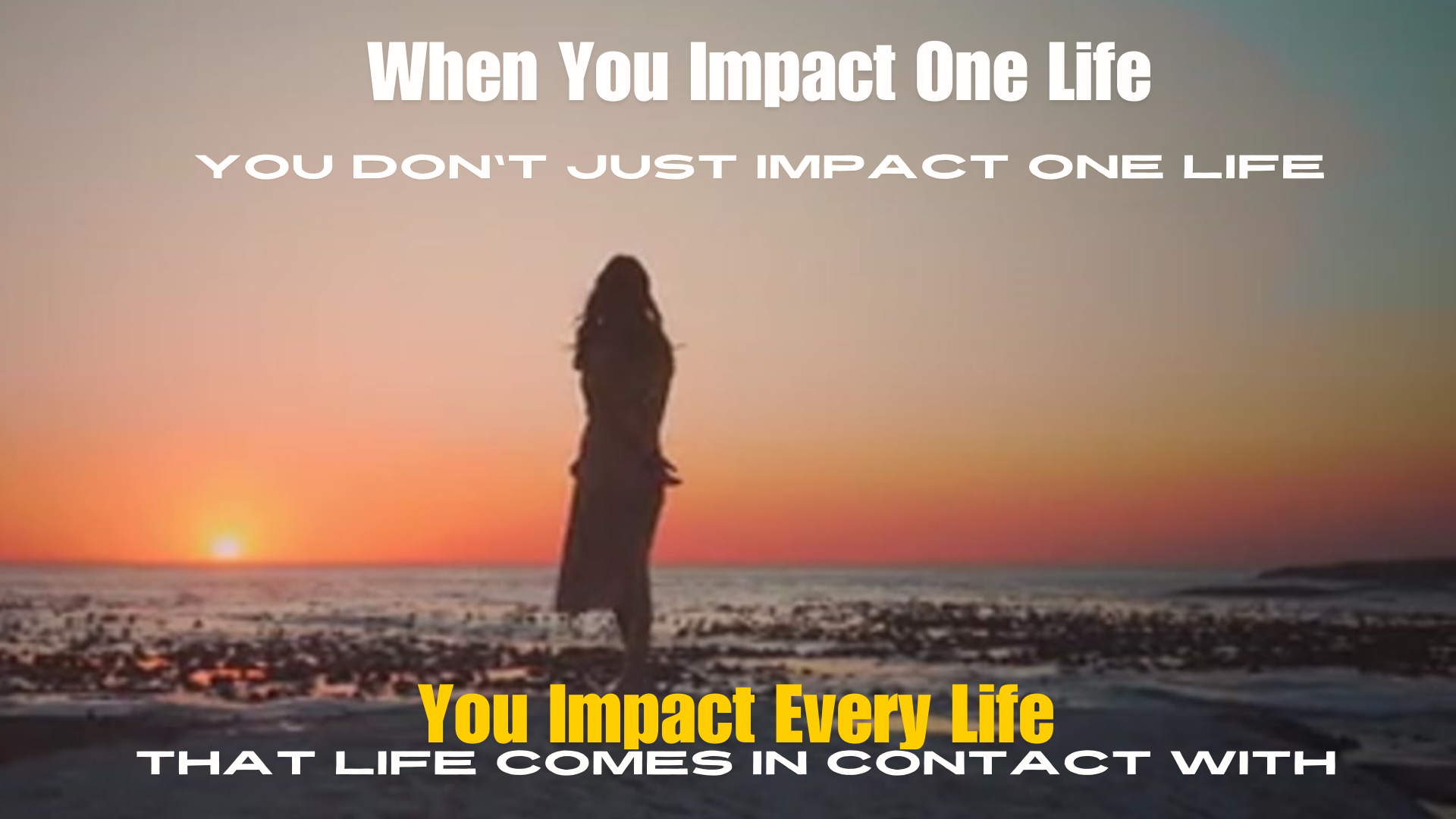
Do you ever stop to really think about the impact you have? I know that as a teacher, counsellor and therapist, I was always too busy to stop and reflect on the impact I was having unless I received a letter or note reminding me that I indeed did something that mattered. It’s often said that a single act of kindness or something that you say (words do matter) can set off a chain reaction, touching countless lives in ways we might never fully comprehend. Imagine standing on the beach as the sun sets, the waves gently lapping at your feet. Each wave represents a life you’ve touched, and the endless ocean symbolizes the infinite connections that stem from that impact. As a school counsellor therapist or teacher, this is the essence of your work—creating ripples of positive change.
You Don’t Just Impact One Life
When you really think about the times you extend a helping hand, offer a listening ear, or share a moment of understanding, you begin to see the ripples that go far beyond that initial interaction. These ripples spread out, affecting not just the person you directly helped, but also everyone they come into contact with. For example, helping a student navigate their anxiety not only empowers them. but also brings a sense of calm to their family and friends who witness their growth and resilience.
You can Have a powerful Impact That Isn’t always EASY to measure
Think about the joy in a group of friends’ faces as they gather for a photo, especially at graduation time. Your influence on one person in that group can enhance the happiness and well-being of everyone else there. It’s a beautiful, interconnected web of relationships and experiences that you may not take time to really think about. By fostering a supportive environment for one student, you help create a ripple of positivity that extends to their entire social circle.
The warmth and support you offer to just one individual can strengthen family bonds, provide guidance, and foster a sense of community. When a person feels supported and understood, they are more likely to extend that same kindness and understanding to their family and peers, perpetuating a cycle of compassion.
Each moment of support and encouragement you provide is a gift that keeps on giving, as it inspires people to pursue their dreams and share their passions with the world. You may never hear about it, but it’s there.
In the end, the impact you have is immeasurable. So, continue to do what you do one person at a time. Your role as a school counsellor, therapist or teacher is not just a job; it’s a mission.
Your journey of impact starts each day, and the ripples you create will touch countless hearts and help you affirm that what you say and do matters.
In life, we often encounter ups and downs that can challenge our mental fortitude. It is during these times that our mental strength comes into play. The ability to navigate through life’s challenges, bounce back from setbacks, and stay focused on our goals isn’t always easy.
It’s not about ignoring feelings or suppressing emotions, but about developing a helpful set of skills and attitudes that can help us manage our thoughts, regulate our emotions, and behave productively even in the face of adversity.
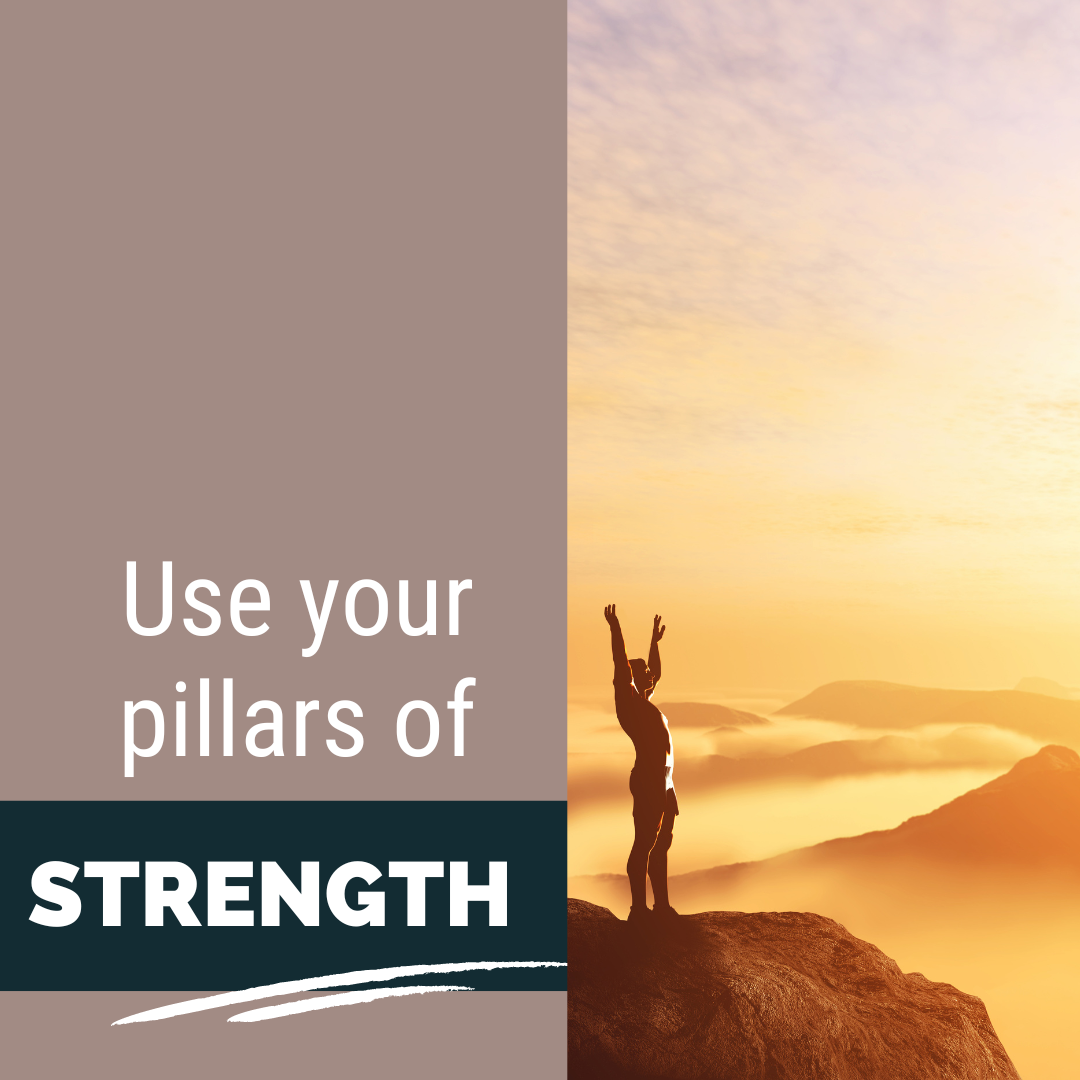
Four key pillars of mental strength that could be helpful to you are self-awareness, optimism, adaptability, and resilience.
Self-awareness involves understanding your strengths, weaknesses, and triggers. It means being aware of your thoughts, feelings, and behaviours, and how they might be affecting your life. We could all use a little self-awareness and reflection. Journaling is one way to become more self-aware and our book, Counsellor Talk offers you an opportunity to dig deep and explore your thoughts and feelings. Self-awareness is the first step in building mental strength because, without this awareness, it’s difficult to identify areas of improvement. When we understand our strengths, we can leverage them to our advantage. Staying focused on our strengths is so important. When we understand our weaknesses, we can work on improving them. When we understand our triggers, we can develop strategies to manage them.
Optimism, the second pillar involves maintaining a hopeful outlook even in challenging situations. Optimism doesn’t mean ignoring the reality of your situation, but rather choosing to focus on the most hopeful aspects. It’s about expecting the best possible outcome and viewing the glass as half full rather than half empty. I believe there are some genetic aspects to optimism, however it is a skill that can be learned. Research shows that optimistic individuals are more likely to persevere in the face of adversity, have better health outcomes, and live longer lives. By developing a positive mindset, we can enhance our overall well-being.
Adaptability, the third pillar of mental strength means being able to embrace change and adjust strategies when needed. Life is definitely unpredictable and the ability to adapt to new situations or changes is crucial in building mental strength. Adaptable individuals can adjust their thinking and behaviour to meet the demands of different situations. They are open to new ideas, willing to take risks, and able to learn from their experiences. By being adaptable, we can navigate through life’s challenges with more ease and confidence. It is a skill we can learn to make life more manageable.
Resilience, the last pillar is where we learn from setbacks and view them as growth opportunities. Resilience is the ability to bounce back from adversity, trauma, or failure. It’s about being able to pick yourself up, dust yourself off, and keep going.
As parents and counsellors we not only need to model resiliency skills we also need to let our young people experience failure and learn from it. Resilient individuals are not immune to difficulties, but they can healthily cope with them. They view setbacks as temporary hurdles rather than permanent roadblocks. By fostering resilience, we can enhance our mental strength and improve our capacity to recover from life’s challenges.
Mental strength is not something we’re born with, but something we can cultivate over time. By building self-awareness, maintaining an optimistic outlook, embracing adaptability, and fostering resilience, we can navigate life’s challenges with more confidence. Remember, it’s not about being strong all the time, but about knowing how to tap into your strengths when you need the most.
For more information on mental strength and other related topics, you can also follow us on Facebook by searching for ‘counsellor talk’, and on Instagram at @counsellortalkcanada. What pillar of mental strength would you add?
Life is complex for most people. If you are fortunate and grateful to reach my age you never take life or anything for granted. You live, truly live life to the best of your ability.
Seeing Change as an Adventure
When I first started having vision issues, I felt like I was stumbling through a foggy maze. It was scary, frustrating, and honestly, pretty overwhelming. I remember coming back from the ophthalmologist and thinking if I eventually need a seeing-eye dog, so be it. The reality of that is something different.
Over time, I realized that this new chapter wasn’t the end of my story—it was just a plot twist. Embracing change is what I attempt to do on a daily basis. I have keratoconus – specifically pellucid marginal degeneration. I also have herpes eye disease , and cataracts and have had posterior vitreous detachments in both eyes (very common in those of us past 60 years of age).
I wear sclerals which have been life-changing for me, glasses do not work anymore (except for readers). I will eventually need a corneal transplant, but for now, if the eye herpes stays at bay my corneas will be ok.
What Has Helped Me
I have always had an optimistic mindset, so that has helped tremendously, but connecting with others who also have the same eye condition has really helped. I belong to an online support group for keratoconus and have a good friend with the exact same eye condition. You are not alone. It seems there is a support group for almost every condition out there. Of course, having a great optometrist and an ophthalmologist helps. I am fortunate to have both of those.
Be My Eyes Be My AI
If you haven’t heard of it, the BE MY EYES app, Be My AI is a must.
As an optimist, I am hopeful that technology will help us live our best life.
Who knows what is next? We live in a different world than we did ten years ago. Hope is what keeps me going every day. If you know of any great resources that can assist people who are blind or have low vision feel free to share them.
Lean on Your People
Here’s the thing: you don’t have to go through this journey alone. Seriously, reach out to your friends, your family, and those who get you. As a psychologist, I know it is a strength to reach out. We all need support at some time in our lives.
It’s amazing how much love and support you’ll find when you let people in.
Finding Silver Linings
Okay, let’s keep it real. Losing your sight sucks. There’s no sugarcoating it. But you know what? Even in the darkest moments, there’s a flicker of light. Maybe it’s finally learning to slow down and savor life’s simple pleasures. Or discovering a newfound appreciation for the beauty of sound, touch, and smell. It’s all about finding those silver linings and holding onto them for dear life. Sometimes it’s easier said than done, but if you take each day and savour as many moments as possible, it makes life easier.
Losing your sight might feel like the end of the world for you, and no one truly understands unless they have been through it in some form or another, but trust me, you can cope and live a fulfilling life no matter what life throws at you.
I am so grateful that I wake up each day and can embrace the good around me and hope you too can connect with others that help make life better.
So as you navigate the twists and turns of life, seize as many moments as possible, love those around you, spend as much time with friends and family that lift you up as you can and never take your life or your vision for granted.
As we all navigate through life, it’s crucial to remember that our mental health matters just as much as our physical health. Despite the stigma that has surrounded mental health for many years, it’s important to break these barriers and openly discuss the importance of maintaining a healthy mind. Mental health literacy is crucial for all of us. Learn more so that we do not overdiagnose. With this in mind, let’s delve into the significance of mental health.
World Mental Health Day
Every year on October 10th, we observe World Mental Health Day, a day dedicated to raising awareness about mental health issues around the globe. This day provides us with an opportunity to spread knowledge about mental health, shattering the stigmas, misconceptions, and prejudices that unfortunately still exist in many societies.
The Importance of Mental Health
Our mental health encompasses our emotional, psychological, and social well-being, impacting how we think, feel, and act. It also plays a fundamental role in how we handle stress, relate to others, and make choices. Mental health is important at every stage of life, from childhood and adolescence through adulthood. Without positive mental health, it’s difficult to fully enjoy life and deal with its challenges.
Looking After Your Mental Health
There are many ways to look after your mental health. Each day is a new opportunity to take care of your mind. Remember to stay active, even if it just 15 minutes a day to start. Eat a balanced diet as often as possible. Maintain a regular sleep schedule, and take time each day to relax and do things that you love. Reach out to friends and family, talk about your feelings, and don’t be afraid to seek professional help. If you’re struggling. School Counsellors are always there to freely help you. They are trained mental health professionals.
Remember, It’s Okay Not to Be Okay
Lastly, remember that it’s okay not to be okay all the time. Everyone has good days and bad days, and it’s perfectly normal to feel down sometimes. What’s important is to recognise these feelings, accept them, and take steps to look after your mental health. If you’re struggling, don’t hesitate to reach out for help.
Conclusion
As we commemorate World Mental Health Day on October 10th, 2023, let’s not only raise awareness about mental health issues but also take active steps to prioritize our mental health and learn mental health literacy skills. Let’s strive to create a world where mental health is no longer stigmatized, but understood, accepted, and prioritized. Let’s treat people with the same dignity we treat someone with a physical illness.
If you are a School Counsellor you will want to read this report. The jobs of tomorrow matter. Supporting youth in their journey to understanding their needed skills will be most helpful.
Whether you are an educator or not please take the time to reflect on this film. Courage, compassion, honour, love, and empathy are but a few words I have to describe the feelings I had watching this film. We see these kids every day in our schools, but do we really see them.
This week someone asked me why at my age I am so interested in AI. There are so many reasons, but it is mainly because I care about humanity. I want to learn so that I have a better understanding for my children, your children and my future grandchildren. Besides we are never too old to learn and now is the opportune time to do so.
As a Psychologist and former School Counsellor, I hope that you will explore resources and information that will guide you on a journey to understanding the complex world of AI. More importantly, I hope that you will bring humanity into all your conversations when it comes to AI. I believe that the therapeutic alliance will be more essential than ever before. AI won’t be able to connect the way a counsellor or therapist can. AI won’t be able to help in crisis situations. AI is not human although some may begin to treat it so. The counselling relationship is key and will always matter when it comes to being a helping professional. AI will most likely be used to augment and enhance counselling processes, so understanding how to utilize it will be of the utmost importance.
AI has the potential to impact an individual’s well-being, privacy, and autonomy. As counsellors, it is crucial to address the ethical implications of AI and ensure that its development, implementation, and use align with ethical standards. As counsellors and therapists our ethical standards will need to be revised.
Discussing AI from a counselling perspective will allow for a critical examination of its potential benefits and risks, fostering informed decision-making and responsible use now and in the future. Throughout these months in ETMOOC2 for which I am extremely grateful, I have been doing a lot of reading, discussing and thinking about AI. I hope that you too will begin exploring and learning. We are just at the beginning stages of paying attention and learning how AI will impact all of us.
AI technology will most likely have psychological effects on individuals. For example, chatbots or virtual assistants designed to provide emotional support may impact the therapeutic relationship between clients and human counsellors. There is no way to predict how and what impact this will have. Time will tell, but we will need to assist clients who develop a trusting relationship with an AI instead of a human and the impacts that could potentially have on their therapeutic outcomes.
Addressing AI from a counselling perspective will allow for the exploration of the potential benefits and drawbacks of incorporating AI into therapeutic settings and school settings . We will need to consider the psychological impact on clients and students in the near future. How will you address these issues?
How will AI gather personal data, analyze emotional expressions, or even provide mental health assessments accurately? It is important to discuss the potential impact of AI on emotional well-being and mental health, ensuring that AI systems are designed and used in ways that promote individuals’ psychological well-being. There is much to consider when it comes to AI.
How will AI enhance your counselling process?
Will AI help, harm or heal?
What part will you play in making a difference when it comes to AI?
How will you keep up and pay attention to the ethical considerations?
Will AI ever be able to show empathy, compassion, intuition, or cultural nuances?
I really like what Sherry Turkle asks, “Are we really ready to become a machine’s companion even if they are willing to become ours?”
As AI technology becomes more prevalent, individuals will continue to increasingly interact with AI systems in various domains of life. As Counsellors we can play a significant role in helping individuals navigate these interactions, offering support in establishing healthy boundaries, managing expectations, and coping with potential challenges that may arise in human-AI interactions. Knowing what resources are helpful will make a difference in you assisting your clients.
Ensuring that all voices are included in the training of AI systems so that biases will appear less frequently is essential. AI algorithms already perpetuate and amplify these biases. Let’s work together for positive change that is more inclusive for all.
Understanding AI from a counselling perspective will allow for discussions of the potential preferences in AI systems and their implications. We need to ensure that our, and our client’s privacy rights are respected and protected now and in the future.
By addressing AI from a counselling perspective, you as a helping professional can help raise awareness,promote responsible and ethical AI practices, and support individuals in navigating the impact of AI on their well-being and mental health. My suggestion for learning how AI will impact what you do is to start slow and learn as much as you can whenever you can.
AI does matter when it comes from a counselling perspective. My hope is that you take a look at some of the resources below and share your resources, thoughts and ideas. Some articles could be used as a starting dialogue for professional development sessions, others may pique your personal interest in this topic.My suggestion is to put down or better yet put away your phones whenever you are face-to-face with another person. Have a real conversation making them the most important person in the room whether discussing AI or not. I look forward to staying connected with others who will commit to keeping AI and humanity at the forefront of their growth knowing that human connection will always matter.












 Counsellor Talk : Connecting with those who want to make a difference.